Free QR Code Generator
Just place your url and generate your free QR code.
Where Are QR-codes Used?

Virtual Store
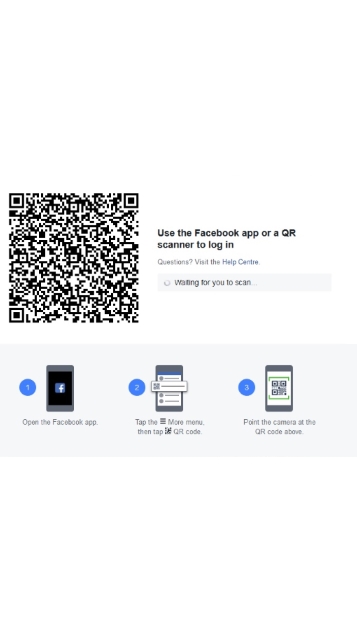
Website Login

Business card
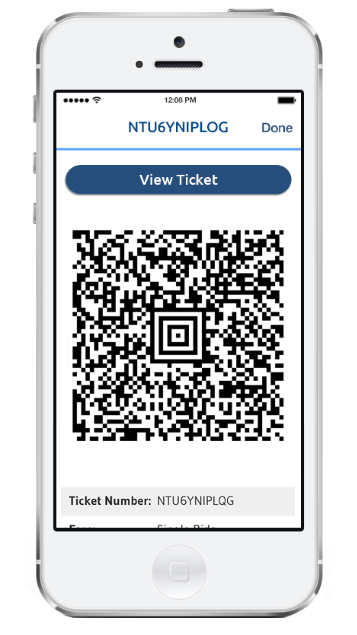
QR code ticket
What Is the QR Code?
You’ll have almost certainly seen QR codes around, but do you know what they are and how to use them? Here, we take a look at what exactly a QR code does, and why they’re so revolutionary.QR Codes – The Basics
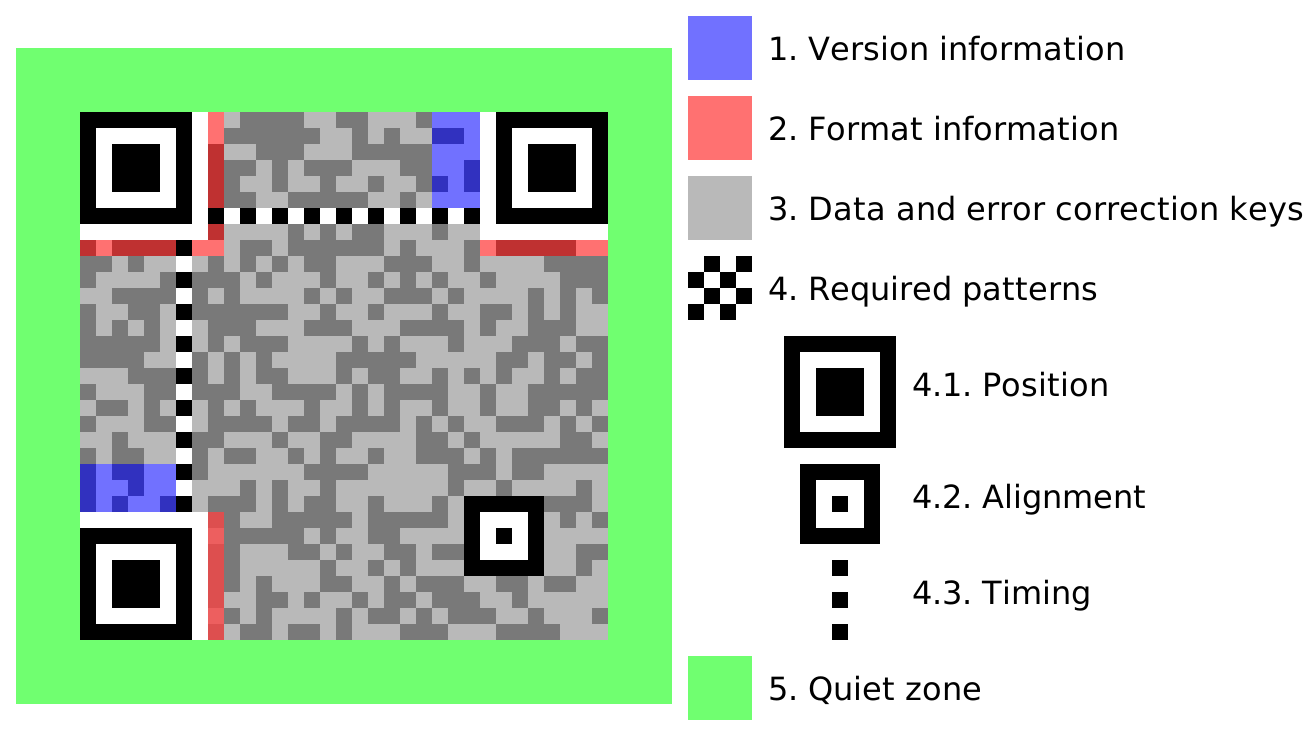
QR codes, or to give them their full title, Quick Response Codes, are one of the hottest technology trends. However, just because they’ve become so prominent doesn’t mean that they’re complicated.
QR codes have become one of the most popular and widely used types of technology in modern times. These codes offer a convenient way for users to access information and interact with various services quickly, and their popularity has skyrocketed in recent years. So why are QR codes so popular?
One reason for their popularity is their versatility. QR codes can be used for a wide range of purposes, from marketing and advertising to providing quick access to information or services. This versatility has made them popular with businesses and consumers alike, as they can be used in countless applications across various industries.
In the online betting world, QR codes have become an essential tool for bookmakers and betting sites. They offer an easy and convenient way for users to place bets and access a wide range of betting options, including sports betting. Most popular betting sites UK now offer QR codes as one of their primary ways of facilitating transactions and providing user access.
In fact, a QR code is simply a two-dimensional form of the barcode which can be read only with a smartphone or other device created specifically for the purpose. Devices which can read QR codes are able to directly connect to emails, texts, phone numbers, websites and much more.
QR codes started off in Japan, and widely spread through the East. However, they then made their way West. Today, you can see QR codes on everything from product packaging to shop window displays, and from emails to printed advertisements. QR codes are now prominently used in the promotion and marketing of services, brands and products around the world.
Why Are QR Codes So Popular?
Most people today have a smartphone, and increasing numbers are accessing the internet through their mobile device every day. Most people use their phones for everything from social media, reading news online or for online sports betting which you can check at "888sport india" for more information. Small wonder, then, that QR codes are able to have a major impact on society when it comes to customer service, marketing and advertising, with consumers being able to simply scan a code to get directly to the product or service that they are interested in.
How Are QR Codes Different from Standard 1D UPC Barcodes?
Usually, when we think of barcodes, we think of the standard vertical lines format. However, a 2D or QR barcode is different since the data is not only stored horizontally but vertically too. The data is also able to be scanned both ways.
Standard 1D barcodes can store as many as 30 numbers. However, this pales into insignificance when you think that QR barcodes can store over 7,000 numbers. As such an enormous amount of information can be stored, it’s possible to link to social media, web pages and videos with ease.
You can read ouf full comparison between 1D and QR codes over here.
How Are QR Codes Scanned?
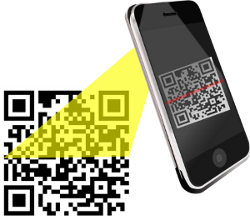
Anyone who owns a smartphone can download a barcode scanner app which can read then translate the data from QR codes. Most apps of this type can be downloaded for free, and once they’re installed on your device, you simply use the camera of your smartphone to scan the appropriate barcode. The app then loads the encoded data straight away without you having to lift a finger.
What Sort of Data Can Be Stored in QR Codes?
QR Codes, put simply, are image-based hypertext links which are able to be used on or offline. This means that a URL is able to be encrypted easily into QR codes, with any web page being opened automatically once the code is scanned. Videos, Facebook pages and websites can all be connected via their URL. QR codes could also store a telephone number, allowing users to call the number in question whenever the code is scanned. Alternatively, SMS text messages can be encoded. As soon as the content has been embedded in the QR code, the reading app will know automatically which is the best way of opening the content.
How Are QR Codes Made?
QR codes can be made by using a 2D barcode generator. However, the important thing to consider before making one is why and how you’ll be using it.
While it is simpler for the user to scan a large QR code, the majority of today’s QR reading devices can scan images which are small in size – small enough to fit onto a business card so long as the image is good quality.
QR codes can be created in any of the following formats:
- PNG
- HTML
- SVG
- Tiff
- EPS
When creating QR codes, PNG files are popular as they are able to be resized easily, so the code can be easily scaled to suit the place in which it will be used.
The History of The QR Code
The QR code is said to have been invented at the end of the 20th century. In fact, a company called Denso-Wave (a subsidiary company of the Toyota Group) has been credited with having invented QR codes back in 1994. Originally, QR codes were designed to track automobile parts in the car manufacturing industry, however, once the potential of the invention was recognised, its use has increased dramatically over the intervening years. While it is still sometimes used for tracking purposes today, it is used for so much more, and it is a common feature of marketing strategies across countless industries.
Are There Any Risks Associated with QR Codes?
URL data-type QR codes which carry executable data may play host to JavaScript code, and this could, in theory, be used for exploiting vulnerabilities in any application on host systems, including the reader, image viewer or web browser.
A malicious QR code, when combined with permissive readers, could still put the contents of a computer at risk as well as the privacy of the user in practice called “at tagging”. A malicious QR code could be easily created then affixed over a legal QR code. When read by a smartphone, for example, the permissions of the reader may enable the camera to be used, the internet to be accessed, contact data to be read or written, browser history to be read, local storage to be overwritten or even global system changes to be carried out. QR codes carry a risk of potential links with dangerous websites or enablement of the camera or microphone, with those feeds then be streamed to remote servers. A malicious QR code could allow sensitive data to be analysed and hacked or the QR code itself could contain a virus. Any of these actions can occur unnoticed by the user. Read more about the subject over here
Luckily, this is rare, and most people using QR codes find them a useful and exciting tool for marketing and many other purposes.
Use Now
2024 (c) QR Me, All Rights Reserved Terms and Conditions | Privacy